PVD vs. Traditional Plating — Why Our Gold Lasts for Years, Not Months
PVD vs. Traditional Plating: Why Our Gold Lasts for Years, Not Months
You buy a gold necklace. It looks stunning. You wear it every day — because why wouldn't you? Jewelry is meant to be worn. Then, three months in, the gold starts to fade. The silver underneath shows through. The piece that once made you feel polished now makes you feel… disappointed.
This isn't your fault. It's the fault of traditional electroplating — the industry standard that almost every affordable jewelry brand uses. And once you understand how it works (and how PVD is different), you'll never look at "gold-plated" jewelry the same way.
How Traditional Plating Works (And Why It Fails)
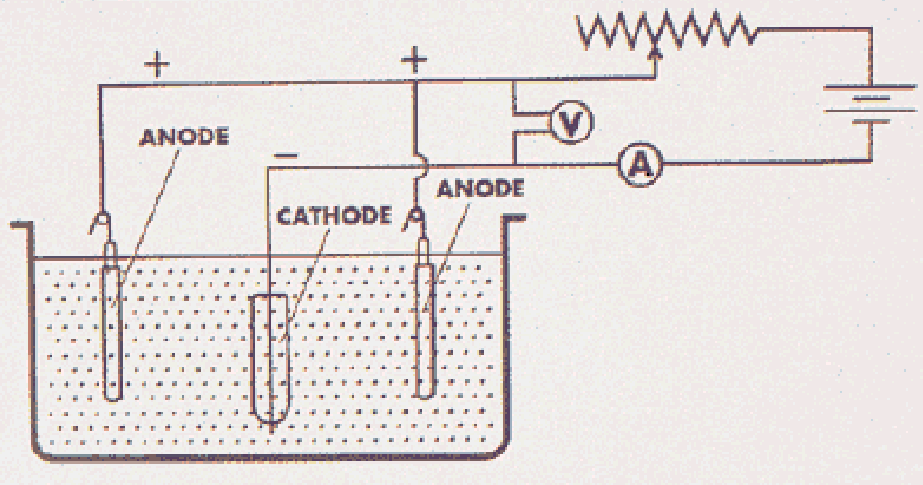
Traditional electroplating is exactly what it sounds like: a piece of base metal is dipped into a liquid solution containing gold particles, and an electric current causes those particles to stick to the surface. It's like spray-painting a car — the color sits on top, but it doesn't become part of the metal.
The result? A layer of gold that's typically 0.5 to 2.5 microns thick. For comparison, a human hair is about 70 microns thick. That gold layer is thinner than a strand of silk.
And because it's just sitting on the surface, it wears away. Sweat. Perfume. Hand washing. The friction of daily life. Within weeks or months, that gold is gone — and the cheap metal underneath is exposed.
What Is PVD? The Technology Behind Our Gold
PVD stands for Physical Vapor Deposition. It's a completely different process — and it's the same technology used by luxury Swiss watch brands to create gold finishes that last for decades.
Here's how it works:
- The jewelry is placed in a vacuum chamber.
- Solid 18K gold is vaporized into a plasma state.
- That gold plasma is accelerated toward the jewelry surface at high energy.
- The gold particles physically embed themselves into the base metal — not on top of it, but inside its surface structure.
The result is a bond at the molecular level. The gold doesn't "wear off" because it's not a separate layer — it's part of the piece itself.
In plain terms: Traditional plating is like painting a wall. PVD is like dyeing the fabric. One sits on the surface. The other becomes part of the material.
Side-by-Side Comparison
| Feature | Traditional Plating | PVD (LOTTEDS Standard) |
|---|---|---|
| Bond Type | Surface adhesion only | Molecular bond |
| Typical Longevity | 3–12 months | 3–5+ years |
| Sweat Resistance | Low — accelerates fading | High — resists daily wear |
| Color Consistency | May patch or streak | Uniform across entire surface |
| Skin Safety | Exposes reactive base metal when worn | Base metal never exposed; 316L steel is hypoallergenic |
| Used By | Fast fashion, costume jewelry | Luxury watches, medical devices, LOTTEDS |
Why Doesn't Everyone Use PVD?
Because it's more expensive — in equipment, in time, and in expertise. PVD requires vacuum chambers, precise temperature control, and skilled operators. Most affordable jewelry brands can't or won't make that investment when cheap electroplating keeps their margins high.
We made a different choice. Our founder Livia had spent 12 years hearing from customers whose "gold" jewelry faded within months. She wasn't going to build a brand that repeated that pattern.
Is PVD Gold "Real" Gold?
Yes — the gold we use is genuine 18K gold. The difference is in how it's applied, not what it's made of. And because PVD bonds the gold so effectively, you actually get more value from the gold used: it stays on your jewelry instead of rubbing off onto your skin or clothes.
The Bottom Line
You shouldn't have to replace your favorite necklace every year because the gold faded. You shouldn't have to baby your jewelry to make it last. And you absolutely shouldn't have to pay solid-gold prices to get a finish that survives daily life.
That's the promise of PVD. That's the LOTTEDS standard.
Experience PVD Gold for Yourself
Shop the CollectionMaterials & Craftsmanship → · Read: Why Jewelry Turns Skin Green →
Leave a comment